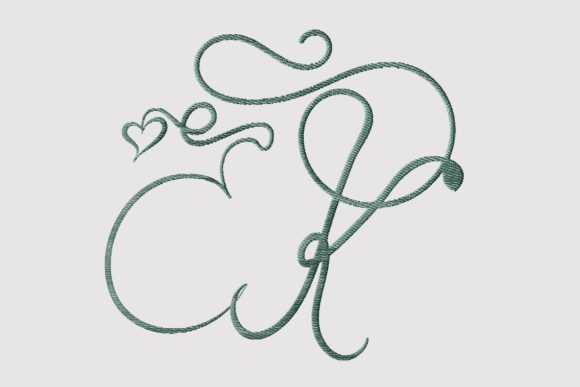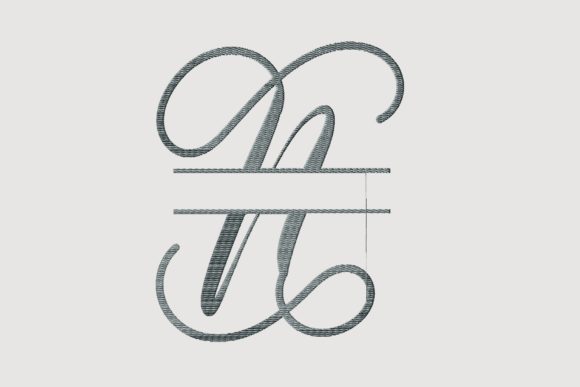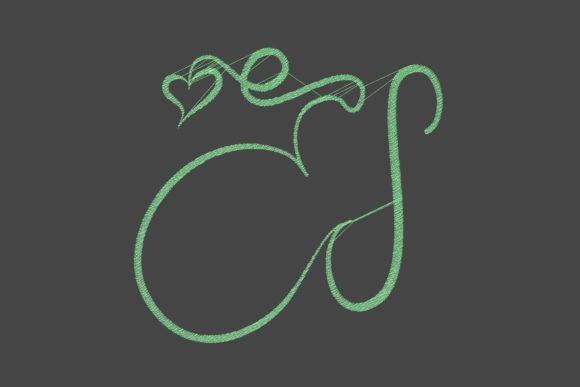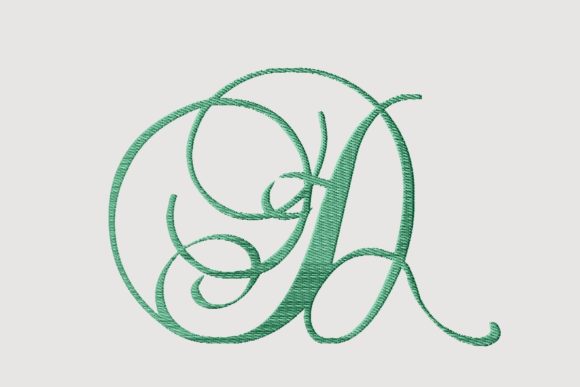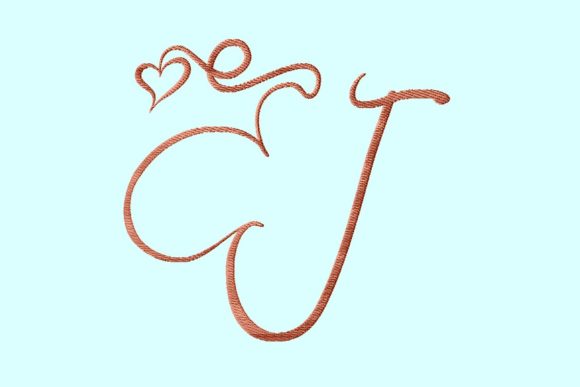
J Lovely Script Monogram
A Practical Review for Small Business Embroidery Use
As an embroidery designer who’s digitized and stitched thousands of logos, monograms, and branded assets for cafés, boutiques, florists, pet brands, and handmade studios, I approach every new machine embroidery design with two questions: “Does it translate cleanly to real-world fabric?” and “Does it strengthen the brand—not distract from it?” When I first saw the J Lovely Script Monogram, my instinct was cautious optimism. The name suggests elegance and intention—“lovely” implies warmth; “script” signals fluidity and personality; “monogram” anchors it in tradition and personalization. But for small business merch, tradition must meet durability—and beauty must survive washing, wear, and daily use.
First Impression: Elegant, Romantic, and Intentionally Refined
The J Lovely Script Monogram reads as elegant and romantic—not fussy, not overly ornate, but confident in its curves and negative space. It fits naturally within the Wedding Monogram category, yes—but that doesn’t limit it to bouquets and napkins. In fact, its restrained script style gives it surprising versatility: a florist can use it on linen aprons without looking bridal; a ceramic studio can stitch it onto packaging tags without seeming saccharine; a local bakery might pair it with a minimalist logo on reusable tote bags for a soft, artisanal signature.
What stands out is its handmade product sensibility—it feels human-drawn, not algorithm-generated. That authenticity builds trust. Customers subconsciously associate clean, intentional script with care and craftsmanship—exactly what small businesses need when competing against mass-produced alternatives.
Real-World Performance Across Merchandise Types
In practice, the J Lovely Script Monogram shines where subtlety and recognition matter most:
- Embroidered patch: Works beautifully at 2–2.5 inches wide—clean lines hold up well in twill or felt backing. Ideal for attaching to denim jackets, canvas totes, or staff aprons as a quiet brand marker.
- Cap embroidery: Best placed on the back strap or side panel—not the curved front crown unless resized carefully. Its open letterform avoids fill-heavy density, reducing risk of puckering.
- Apron embroidery: A natural fit above the pocket or centered on the bib. Its vertical rhythm complements the shape of an apron while remaining legible at arm’s length.
- Tote bag design: Stitches crisply on medium-weight canvas and cotton duck. Avoid ultra-thin non-woven bags—the script’s delicate terminals may distort.
- Custom apparel: Excellent for chest accents on crewnecks, sleeve details on linen shirts, or inner collar tags for premium feel.
It also performs well in commercial embroidery workflows: moderate stitch density means faster run times, less thread breakage, and easier color changes. That directly impacts your shop’s throughput—and your client’s turnaround expectations.
Where to Use It Thoughtfully
Even beautiful designs have boundaries. Here’s where the J Lovely Script Monogram needs extra attention:
- Small patch sizes under 1.5 inches: Fine terminals and thin strokes may blur or vanish. Always test at final size before bulk production.
- Curved surfaces like cap fronts or rolled sleeves: Digitally preview the design’s distortion—or better yet, run a physical sample on stabilized fabric.
- Dark uniforms or textured fabric: Contrast matters. Light thread colors (ivory, blush, silver) often read better than white on charcoal or tweed. Always check thread color contrast on your actual base material.
- Frequent-wash items (e.g., café aprons, pet brand bandanas): Confirm the embroidery file uses secure underlay and satin-stitch reinforcement on curves—especially the lower loop of the J—to prevent fraying over time.
How It Shapes Brand Identity and Customer Perception
Your choice of monogram isn’t just decoration—it’s a micro-expression of your brand identity. The J Lovely Script Monogram leans into refinement without cold formality. That balance makes it ideal for businesses that want to signal quality, care, and approachability simultaneously.
For Etsy sellers, it elevates handmade presentation—pairing it with natural fibers and neutral palettes reinforces authenticity. For local shops, it adds consistency across touchpoints: embroidered on staff caps, printed on packaging, and used in digital mockups for social media. That visual repetition builds recognition fast—even before customers read your name.
And critically: it increases perceived product value. A thoughtfully stitched monogram on a tote or apron tells customers, “This wasn’t slapped on—it was chosen.” That subtle cue boosts engagement, repeat purchases, and word-of-mouth referrals.
Essential Embroidery Designer Notes Before Production
Before stitching your first batch, here’s what I always do with any digital embroidery file:
- Test it in black and white first—no color distractions—to assess line weight, spacing, and rhythm.
- Check how it renders at your smallest intended patch size (e.g., 1.75") on actual fabric—not just screen preview.
- Review thread color contrast on your target base fabric—especially if using dark or heathered textiles.
- Inspect spacing between strokes and terminals—tight areas may require manual cleanup in your editing software.
- Confirm hoop size compatibility with your frame setup—some script monograms require larger hoops for smooth hooping.
- Test on real fabric with your standard stabilizer stack—lightweight cutaway works best for crispness on stable fabrics; tear-away + topping helps on knits or textured weaves.
- Create a printable mockup for client approval—show it on context: a cap, a tote, an apron—not just isolated on white.
- Compare it beside your other design assets (logo, icons, typography) to ensure visual harmony—not competition.
- Verify commercial licensing terms before use—this is essential for small business merch, wholesale orders, or resale items.
Remember: the J Lovely Script Monogram isn’t just a letter—it’s a versatile, emotionally resonant asset. Used intentionally, it supports storytelling, builds cohesion, and quietly communicates your standards. Whether you’re embroidering for a wedding planner, a ceramicist, or a neighborhood coffee roaster, this monogram offers elegance that endures—not just in the stitch, but in the impression it leaves.