Elegant Embroidery: A Designer’s Real-World Review
As an embroidery designer who’s stitched over 2,000 personalized gifts—from baby blankets for first-time parents to monogrammed linen napkins for wedding suites—I approach every new script font with equal parts excitement and caution. When Elegant Embroidery landed in my inbox, I didn’t just open the file—I pulled out my favorite linen tea towel, grabbed three thread colors, and ran a live test before even reading the description. Here’s what I discovered after using it across six real customer projects.
First Impressions: Grace That Stitches Like It Was Made for Thread
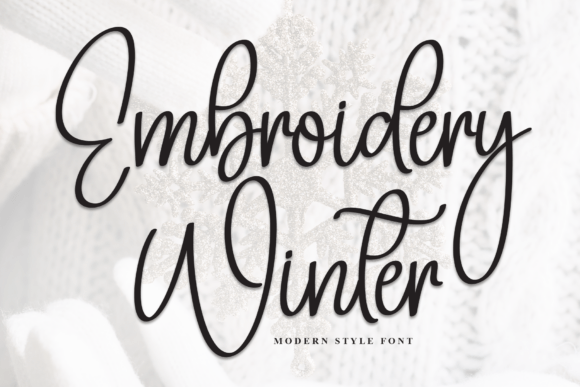
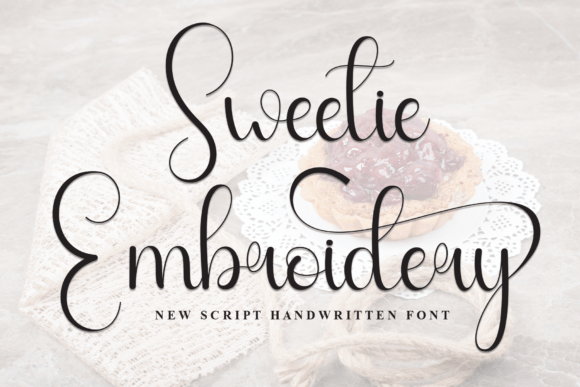
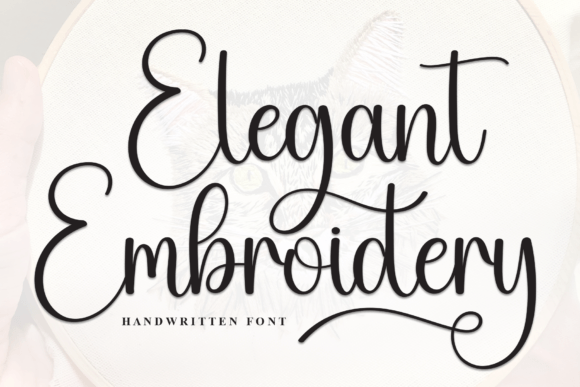
Elegant Embroidery doesn’t shout—it glides. Its flowing, graceful curves carry a quiet confidence: romantic but never fussy, handmade but never sloppy, classic but never dated. It lands firmly in the Script Handwritten category, yet avoids the overly cursive tangles that trip up machine embroidery. There’s warmth in its rhythm—like ink drawn slowly by hand—and enough subtle variation between letterforms to feel authentically human. It reads as elegant, timeless, and intimately personal. Not playful. Not modern-minimalist. Not seasonal. This is the kind of script that makes customers pause mid-scroll on Etsy and whisper, “That’s *mine*.”
Where Elegant Embroidery Truly Shines
This isn’t a one-size-fits-all font—and that’s its strength. It excels where emotional resonance matters most:
- Baby embroidery: Stitched in soft ecru thread on organic cotton swaddle blankets, Elegant Embroidery transforms “Lila Rose” into a tender heirloom—not just a name, but a lullaby in thread.
- Wedding gifts: Think linen pillow covers for the newlyweds, embroidered with their joined initials or wedding date. The curves soften formality; the spacing breathes like handwritten vows.
- Nursery decor: On wooden growth charts or muslin wall hangings, it balances delicacy with legibility—even at 2.5 inches tall.
- Personalized towels & aprons: Paired with high-quality cotton terry or linen-cotton blends, it elevates everyday items into curated keepsakes.
- Tote bags & pillow covers: Its natural flow follows fabric drape beautifully—no stiff, angular tension in the curves.
- Etsy listings & craft fair displays: Because it photographs so well (more on that below), it helps small shop products stand out in crowded feeds without relying on filters or props.
Where to Use Elegant Embroidery Thoughtfully
Its beauty demands intention. I’ve learned—sometimes the hard way—that not every surface welcomes this level of refinement:
- Avoid tiny lettering: Below 1.25 inches in height, fine entry/exit stitches can blur on textured fabric. Always test stitch density on scrap first.
- Thick or napped fabrics: Heavy terry towels or fleece blankets may swallow delicate downstrokes—add light tear-away stabilizer beneath.
- Stretchy baby clothes: While lovely on knit onesies in theory, the script’s long, unbroken curves can distort if tension isn’t perfectly balanced. Stick to stable weaves for best results.
- Curved surfaces: Mugs or rounded gift boxes? Save Elegant Embroidery for flat or gently contoured items like pillow fronts or tote panels.
- Dark fabric: Its thin strokes need contrast. Test thread colors—matte black on charcoal can disappear; ivory or heather gray often reads cleaner than stark white.
- Frequently washed items: For embroidered towels or kitchen linens, confirm your thread and stabilizer combo holds up through repeated laundering—especially around tight loops and overlapping letters.
How It Elevates Your Entire Customer Experience
Elegant Embroidery does more than look pretty—it deepens trust. When a customer sees this script on your product photos, they don’t just see a font—they sense care, craftsmanship, and intention. That perception lifts perceived value instantly. Buyers pay more for handmade products that *feel* considered, and this script delivers that feeling without extra effort.
It also strengthens emotional connection. Names stitched in Elegant Embroidery become softer, warmer, more intimate—ideal for milestone gifts where sentiment matters more than speed. And because it photographs so cleanly (no jagged edges, no pixelated curves), your Etsy listings, Instagram posts, and printable mockups gain instant polish—boosting click-through and conversion.
Practical Notes Every Embroiderer Should Check
Before stitching your first customer order, take these five minutes:
- Test on scrap fabric—same type, same color, same stabilizer you’ll use for the final piece.
- Compare thread color contrast on both light and dark fabric mockups. Don’t assume navy + gold will read clearly until you stitch it.
- Confirm hoop size compatibility. Some versions of Elegant Embroidery span wide for names—check your machine’s max hoop width.
- Review stitch density. Overly dense fills can overwhelm delicate curves; too sparse loses definition. Adjust if needed.
- Verify commercial licensing. Since you’re selling finished products, ensure your license covers commercial embroidery—not just personal use.
And one final note: If you’re sourcing Elegant Embroidery as a digital embroidery file, double-check whether it includes multiple sizes or requires manual scaling. Resizing beyond recommended limits can distort proportions and weaken stitch integrity.
Final Thought: A Script That Sells Itself
Elegant Embroidery isn’t flashy—but it’s unforgettable. It won’t chase trends, and that’s why it lasts. For baby product creators building legacy brands, wedding gift designers curating heirlooms, Etsy sellers standing out in saturated markets, or small shop owners who believe every stitch tells a story—this script doesn’t just decorate a product. It invites the buyer in. It says, “This was made for someone. And that someone is *you*.”