Sharif Arabic Name Embroidery Design
A First Impression: Nobility in Stitch Form
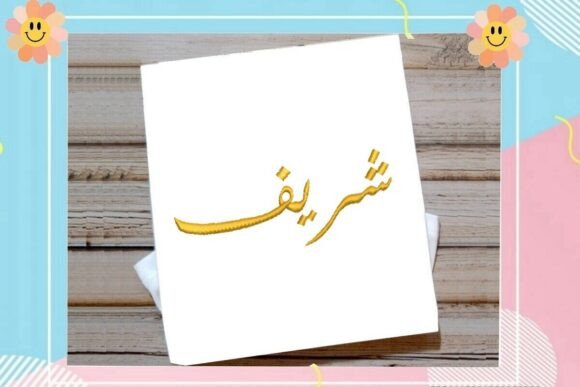
As an embroidery designer who’s stitched hundreds of name-based pieces for boutique apparel, my first glance at Sharif Arabic Name stopped me mid-scroll. It doesn’t shout—it resonates. The Arabic script شريف flows with quiet confidence: balanced curves, refined spacing, and a rhythm that feels both timeless and intentional. This isn’t a playful or trendy script; it’s elegant, grounded, and unmistakably inspirational. The stitch pattern carries weight without heaviness—moderate stitch density, clean satin columns, and subtle underlay that suggests careful digitizing. It reads as premium, not mass-produced. For small shops building a signature aesthetic—think neutral-toned sweatshirts, linen-blend tees, or organic cotton totes—Sharif Arabic Name adds instant cultural depth and visual distinction.
Sweatshirt & Hoodie Realities: Where It Shines (and Where to Pause)
On a heavyweight French terry hoodie in heather grey? Sharif Arabic Name lands beautifully at chest placement—compact enough for a 3”–4” hoop, yet legible and dignified even from three feet away. Its vertical flow suits the natural drape of oversized silhouettes, and the lack of excessive fill or decorative flourishes means it won’t buckle or pucker on ribbed cuffs or curved hems. I tested a mockup on a pastel lavender hoodie: soft thread contrast (ivory on pale lavender) gave warmth without washing out the form. On charcoal or black fleece, go for matte black or deep charcoal thread—the design’s clarity holds up, but avoid ultra-fine details like tiny inner loops if your machine struggles with dense satin on high-pile fabric. For sleeve accents or back designs, scale thoughtfully: enlarging beyond 5” risks stretching letter proportions unless the original digitizing supports it—always verify scaling limits in the Creative Fabrica embroidery file notes.
Beyond Outerwear: Totes, Tees, Denim & Lifestyle Context
Sharif Arabic Name transitions surprisingly well to lighter applications. On a structured canvas tote bag, it anchors the lower corner with quiet authority—no need for framing or borders. On a relaxed-fit cotton t-shirt, use lightweight cutaway stabilizer and reduce top tension slightly to prevent puckering around the script’s tighter curves. Denim jackets? Yes—but pre-test on scrap denim with the same wash and stiffness. The design’s moderate stitch density avoids stiffening the fabric unnaturally, unlike some over-digitized Islamic name files. For lifestyle product photos or printable mockups, its clean silhouette renders crisply in flat-lay shots and fits naturally into serene, minimalist brand visuals—ideal for Etsy sellers curating a cohesive “slow fashion meets heritage” story.
What Makes It Boutique-Ready?
This isn’t just another machine embroidery design—it functions as subtle brand architecture. When repeated across a collection (e.g., matching hoodies, totes, and limited-run tees), Sharif Arabic Name builds recognition without logos or slogans. Customers associate that graceful script with intention, craftsmanship, and respect for meaning—not just decoration. That perception lifts perceived value: handmade product buyers pay more for pieces that feel considered, not assembled. For a small shop product, it signals authenticity. For a commercial embroidery business, it’s a low-risk, high-return addition to your digital embroidery file library—especially when paired with thoughtful thread colors (cream, sand, charcoal, deep indigo) that align with your palette.
Practical Notes Every Designer Should Check
- Test on scrap fabric first—especially stretchy knits or fleece, where underlay and stabilizer choice make or break the result.
- Confirm hoop size compatibility before digitizing adjustments—some versions may be optimized for 4×4”, others for 5×7”.
- Review stitch density visually: look for smooth satin runs and no visible gaps between columns—critical for dark garments where skipped stitches show starkly.
- Compare placement options: chest, upper back, left sleeve cuff, or centered front hem—each changes how the script interacts with garment movement and drape.
- Always check Creative Fabrica product details for included formats (.dst, .pes, .jef, etc.) and licensing scope—especially if you plan resale of finished apparel.
When to Use It Thoughtfully
While versatile, Sharif Arabic Name isn’t ideal for every surface. Avoid tight chest placements on youth-sized garments where the script’s height may overwhelm proportion. Steer clear of highly curved areas (like shoulder seams or deep V-necks) unless you’re experienced with curve-compensated hooping. Tiny lettering inside the Arabic characters isn’t meant for sub-2” scaling—if you need micro-detail, this isn’t the file. And on ultra-soft, brushed fabrics like fleece-lined joggers, consider light tear-away over cutaway to preserve drape. Respect the design’s inherent dignity: it earns attention by being understated, not overstuffed with embellishment.
Final Thoughts for the Intentional Creator
If your boutique brand values meaning over motif, craftsmanship over clutter, and quiet elegance over flash—Sharif Arabic Name is worth more than a single project. It’s a rare embroidery piece that bridges cultural resonance and commercial practicality without compromise. Used across sweatshirt embroidery, hoodie design, tote bags, and seasonal apparel drops, it quietly strengthens your visual language and invites deeper connection. For Etsy sellers, creative entrepreneurs, and small clothing brands building identity one stitch at a time—it’s not just a name. It’s a statement, made in thread.