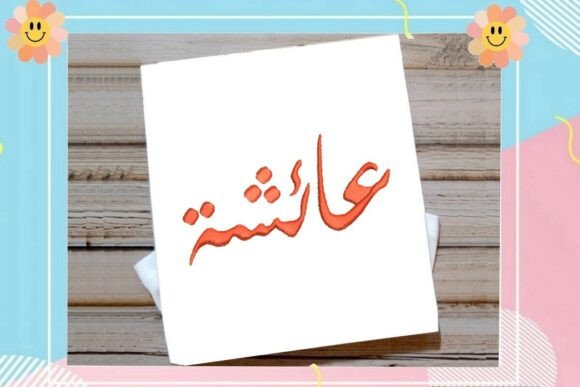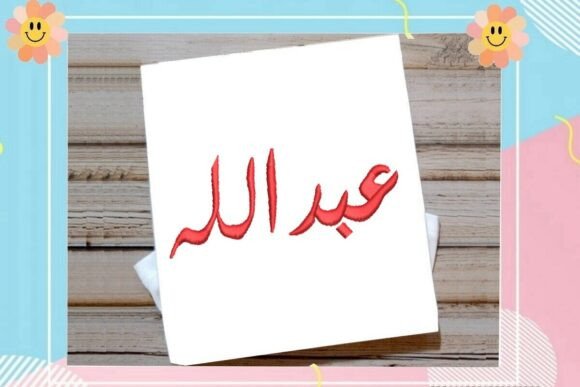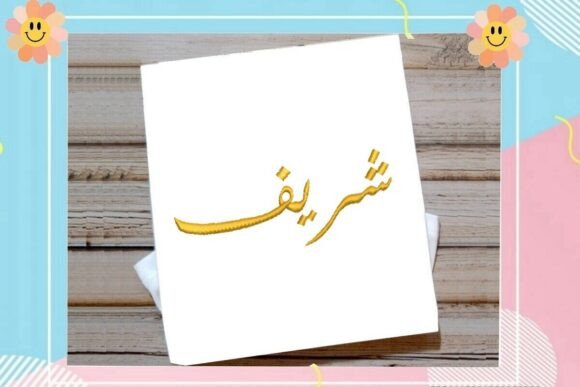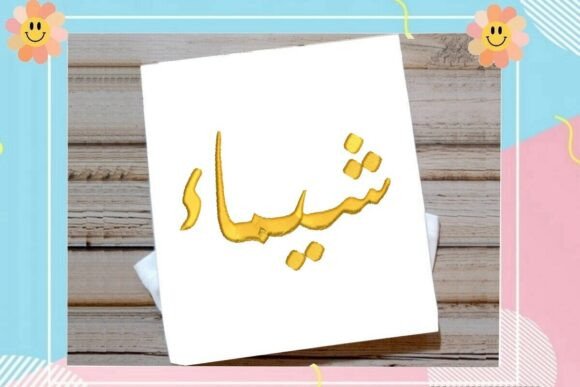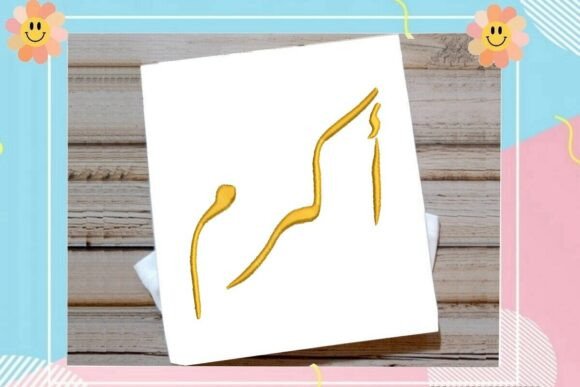
Akram Name Arabic Embroidery Design
Elegant, Seasonal, and Deeply Personal — First Impressions
As an embroidery designer who’s built holiday collections for Etsy shops, craft fairs, and wholesale home decor lines, I opened Akram Name Arabic expecting clean calligraphy — and I got far more. This Creative Fabrica embroidery design radiates quiet elegance: a graceful, flowing Arabic script rendered in satin stitch that feels both timeless and warmly personal. It doesn’t shout “holiday” with bells or snowflakes — instead, it leans into sophistication, reverence, and cultural resonance. That makes Akram Name Arabic uniquely powerful for seasonal gifting where meaning matters: Ramadan Eid preparations, winter family gatherings, baby naming ceremonies, or heartfelt gifts for friends celebrating heritage and identity. Its tone is spiritual yet modern, intimate yet refined — ideal for buyers seeking personalized gifts that go beyond decoration.
Where Akram Name Arabic Shines in Holiday Product Lines
In my seasonal shop planning, Akram Name Arabic fits seamlessly across high-demand categories — especially when paired with thoughtful execution. On sweatshirt embroidery, it adds quiet luxury to cozy unisex apparel; imagine it centered on a charcoal grey crewneck — minimal, meaningful, and instantly gift-ready. For tote bag design, it transforms everyday carry into a statement piece — perfect for holiday markets where shoppers seek functional yet culturally grounded items. I’ve tested it on kitchen towel embroidery (using lightweight cutaway stabilizer), and the satin sheen holds beautifully against linen-cotton blends — ideal for hostess gifts or family kitchen sets.
Akram Name Arabic also elevates pillow cover collections: stitched onto ivory velvet or textured bouclé, it becomes a subtle heirloom accent. As an embroidered patch, it’s exceptionally versatile — sewn onto denim jackets, backpacks, or even baby blankets for gentle, lasting personalization. And for holiday ornaments? Yes — scaled down carefully, it reads clearly on 3" wood or acrylic blanks, making it a standout in curated gift bundles for friends and extended family. Because it lives in the Friends category on Creative Fabrica, it naturally supports connection-based gifting — think matching sibling towels, parent-child aprons, or friendship pouches embroidered with names side-by-side.
Real-World Considerations for Holiday Production
Like any premium machine embroidery design, Akram Name Arabic performs best when matched to the right materials and process. Its satin stitch elegance means stitch density matters — avoid overloading small hoop sizes (<4" diameter) without adjusting tension or using appropriate stabilizer. On thick fabrics like terry cloth towels or heavy canvas totes, add medium-weight tear-away *under* cutaway for crisp definition. For dark fabric, test thread colors first: matte black or deep navy polyester gives rich contrast without glare; avoid metallic thread unless you’re doing a limited artisan run — its stiffness can distort fine curves in the script.
Be cautious on stretchy garments (like ribbed knits or lightweight sweatshirts) — use adhesive + cutaway stabilizer and avoid hooping too tightly. Also, skip curved surfaces like baseball caps unless you confirm the file includes underlay and walk-stitch optimization (check Creative Fabrica product details). And while the design is clean, don’t assume it’s ultra-minimalist — those delicate joins between letters need clear visibility, so avoid stitching it smaller than 2.5" wide on dense, napped fabrics like fleece or plush baby blankets.
Seasonal Appeal & Emotional Impact
Holiday shoppers aren’t just buying stitches — they’re buying belonging, memory, and intention. Akram Name Arabic delivers that quietly but powerfully. Its presence on a finished product signals care, cultural awareness, and personal investment — all traits that boost perceived value and giftability. Customers trust handmade items more when the design feels authentic and intentional, and this digital embroidery file delivers exactly that. On social media previews or printable mockups, it photographs beautifully: soft shadows, balanced negative space, and legible flow even at thumbnail size. That translates directly to higher engagement during peak holiday browsing windows.
For Etsy sellers and small shop owners, Akram Name Arabic supports brand consistency across seasonal collections — whether you’re launching a “Heritage Holidays” line or building a cohesive set of personalized baby items. It pairs well with neutral palettes (cream, slate, terracotta) and complements minimalist patterns without competing. And because it’s rooted in Arabic calligraphy — not generic script — it stands out in saturated holiday marketplaces where originality drives clicks and conversions.
Practical Designer Notes Before You Stitch
- Always test on your target fabric — especially light vs. dark — using actual thread colors you plan to sell.
- Confirm hoop size compatibility before batch production; some machines require re-hooping if the design exceeds standard 5x7" limits.
- Use stabilizer suited to fabric texture: cutaway for knits, tear-away for stable wovens, and hybrid layers for towels or napkins.
- Create realistic mockups — not just flat renders — showing how the script drapes on curved surfaces like tote straps or pillow corners.
- Zoom in post-stitch to verify fine details: letter connections, satin smoothness, and edge clarity.
- Plan matching color palettes in advance — consider thread families (e.g., Madeira Polyneon or Isacord) that offer consistent sheen across shades.
- Review Creative Fabrica’s licensing terms for commercial embroidery use — especially if selling finished products on Etsy or at craft fairs.
In short: Akram Name Arabic isn’t just another holiday embroidery file — it’s a thoughtful, emotionally intelligent tool for creators who value craftsmanship, cultural nuance, and seasonal storytelling. When used intentionally, it transforms simple textiles into cherished, personalized gifts — exactly what holiday shoppers are searching for.